

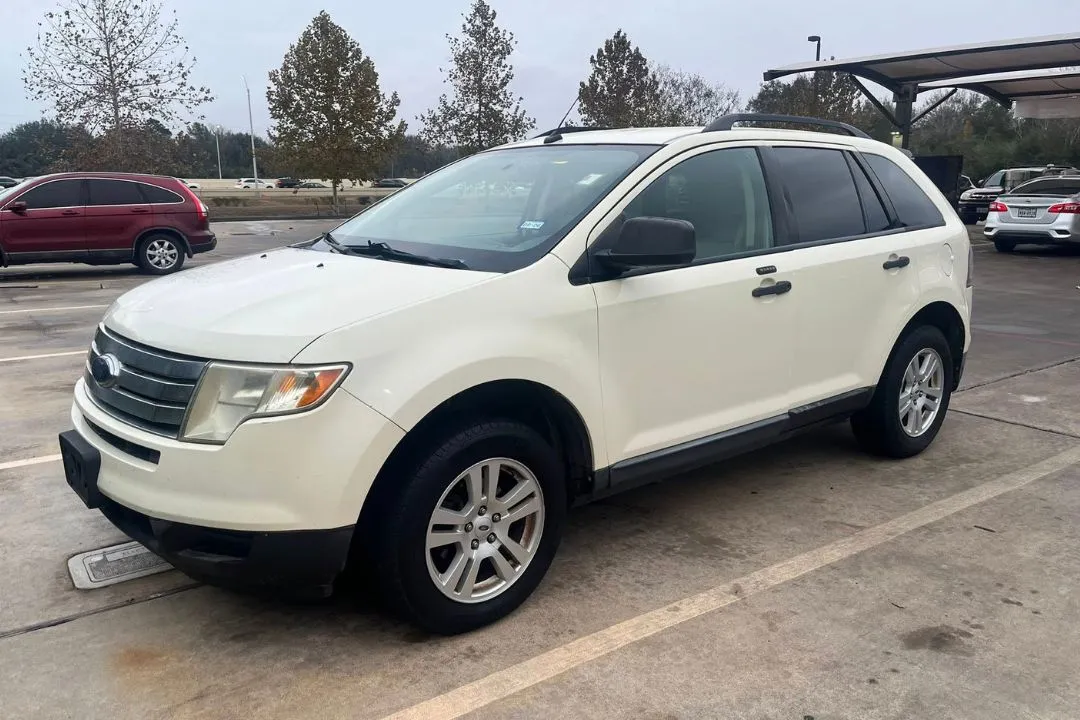
Your car dying unexpectedly can be stressful and overwhelming. Most car breakdowns are caused by common issues such as a dead battery, alternator failure, or engine overheating.
But at other times, the cause is more serious, such as a transmission failure. These types of issues come back from time to time. It only becomes a financial burden over time. So it’s to get rid of it by selling it off.
Ok, but how and where? This guide will help you determine that.
Why Do Some Cars Reach the “Not Worth Fixing” Point?
After working with dead cars for years, we have found that a car usually doesn’t become unusable overnight. It mainly goes to the death end because:
1. Engine Failure
Issues like a seized engine, cracked block, blown head gasket, or severe overheating can cause internal damage that isn’t easily reversible. Once metal parts warp or grind against each other, repairs become complex and expensive.
Engine repair or replacement can cost more than the car is even worth. When a mechanic quotes thousands of dollars just to get it running again, most owners realize that fixing it won’t bring back enough value to justify the cost.
2. Transmission Breakdown
Transmission problems often show up gradually. Sometimes it’s just slipping gears, delayed shifting, or strange noises. But once the transmission completely fails, the repair bill can be shocking.
Rebuilding or replacing a transmission is one of the most expensive fixes a car can need.
So, putting a new transmission in doesn’t solve everything else that’s worn out. For vehicles with high mileage or existing issues. That’s why many cars are labeled “dead” once the transmission goes out, especially if the vehicle is already aging.
3. Electrical or Computer Issues
Modern cars depend heavily on electronics and onboard computers. When major electrical systems fail, the car may refuse to start, shut down unexpectedly, or display multiple warning lights.
These problems are notoriously hard to diagnose because a single failure can affect multiple systems. Electrical repairs often involve trial and error, and even after spending a lot of money, there’s no guarantee the problem won’t come back.
And the uncertainty alone makes further repairs feel pointless.
4. Long-Term Wear and Tear
Sometimes, it’s not one big failure, it’s everything wearing out at once. High mileage engines, rusted frames, failing suspension, worn brakes, and neglected maintenance slowly add up. Each repair might seem manageable on its own, but together they create a never-ending cycle of expenses.
At this stage, even if the car technically runs, it feels unreliable and unsafe. Owners often realize they’re constantly fixing problems instead of enjoying the car. That is a clear sign it’s reached the “not worth fixing” point.
3 Ways to Get Rid of a Dead Car
Below are the most common and practical ways to deal with a dead car we suggested for Mesa Public:
1. Sell to a Cash for Cars Service
Selling a cash for cars Tempe service is often the best option when a vehicle won’t run. These companies buy cars in almost any condition, including those with engine failure, transmission issues, or electrical problems.
The process usually starts with a short form or phone call.
You provide basic details like the make, model, year, and condition. Based on that, they give you an instant or same-day offer. There’s no need to repair the car or make it drivable.
Towing is typically included at no extra cost. This matters if the car is stuck at home, on the roadside, or in a repair shop. Once the pickup is scheduled, the car is removed, and payment is made, often on the spot.
Paperwork is usually minimal. In most cases, you’ll need an ID and proof that the car belongs to you. Some buyers can still complete the sale even if documents are missing, depending on local rules.
2. Sell to a Junkyard or Salvage Yard
Junkyards and salvage yards are a good choice when the car has little value beyond parts or scrap metal. This option makes the most sense for vehicles that are very old, heavily damaged, or completely non-functional.
Instead of valuing the car as a whole, salvage yards often calculate the price based on weight, metal content, and reusable parts. Steel, aluminum, and catalytic converters can all affect the final offer.
This option may require more effort than a cash-for-cars service.
Because some yards require you to arrange towing yourself, offers can vary widely by location. Still, for cars that are truly beyond saving, it’s a straightforward way to get rid of non-working cars.
3. Trade It In or Donate It
Some dealerships will accept non-running cars as trade-ins, especially if you’re buying another vehicle from them. The value is usually low, but it can reduce the purchase price of your next car and simplify the process.
Donating a dead car is another option, especially if selling isn’t a priority.
Many charities accept vehicles that don’t run and arrange free towing. Instead of cash, you receive a donation receipt that may qualify for a tax deduction.
This option works best if the car has no resale value to you and you prefer a charitable or tax-related benefit rather than immediate payment.
Why Cash for a Car Is the Best Solution for Dead Vehicles?
Selling a dead car for cash removes all the usual obstacles. You don’t need to fix anything, explain mechanical issues to strangers, or wait weeks for a buyer who never shows up.
A cash-for-cars service specializes in vehicles that don’t run, aren’t safe to drive, or are simply beyond repair. Instead of seeing your car as “junk,” they see its remaining value parts, metal, or rebuild potential.
That means you get paid without spending another dollar on repairs.
What Documents You May Need?
Even if a car is dead and no longer drivable, paperwork still matters to sell the car. A vehicle does not cease to be a legal asset simply because it won’t start. Buyers, tow companies, and state agencies still need proof that the car belongs to you and that the sale is legitimate.
In many cases, you don’t need a full set of documents like you would for a private sale of a running car. However, you do need sufficient documentation to verify identity and ownership.
Most commonly, you will get asked to give:
- Registration
- Bill of Sale
- Identification
- State Motor Vehicle Requirements
However, document requirements vary by buyer and state motor vehicle requirements, so it’s always smart to check before the sale.
How to Sell Your Dead Car to Us?
You can sell your dead car to us in just 4 steps:
Step 1: Reach Out With Basic Car Details
The first step is to contact us and provide a brief description of the vehicle. You don’t need to prepare anything fancy or technical. We usually just need the make, model, year, and a quick explanation of what’s wrong with the car.
Even if you’re not 100% sure why the car died, that’s okay.
Whether it’s engine failure, transmission issues, electrical problems, or the car simply won’t start, we handle all conditions.
Step 2: Get a Fair Cash Offer
Once we review the details, we’ll give you a cash offer based on the car’s current condition, age, and overall value. The offer indicates that the car is dead or not worth repairing, so there’s no pressure to fix anything first.
There’s no back-and-forth, no negotiations that drag on, and no hidden fees. You get a straightforward number so you can decide if it works for you.
Step 3: Schedule Free Towing
If you accept the offer, we arrange free towing at a time that works for you. This is especially important for dead cars that won’t start or can’t be driven safely.
You don’t need to worry about pushing the car, jump-starting it, or paying out of pocket for a tow truck. We handle the pickup, whether the car is sitting at home, in a parking lot, or stuck where it broke down.
Step 4: Get Paid at Pickup
When the car is picked up, you get paid. There’s no waiting period and no delayed payments. The transaction is completed right then and there, so you’re not left wondering when the money will arrive.
Once the car is gone, the problem is off your hands. No more repair estimates, no more storage issues, and no more stress over a vehicle that isn’t worth fixing.
Final Thought
When a car breaks down, and the repair costs don’t make sense anymore, it’s time to think practically. Keeping a dead or unreliable vehicle often leads to more stress, unexpected expenses, and safety concerns. In many cases, selling the car as-is is the easier and smarter choice.
If you’re looking for a simple way to move on, Cash for Cars and RVs helps by buying broken, non-running, or unwanted vehicles, offering free towing, and handling the paperwork for you. You can learn more or get started.
Frequently Asked Questions
Can I drive a car that just broke down?
You should not drive the car if it’s losing power, overheating, making loud noises, or showing warning lights. Driving in that condition can cause more damage and put you at risk.
How do I know if my car is worth fixing?
If repair costs are close to or higher than the car’s value, it’s usually not worth fixing. Frequent breakdowns, engine or transmission failure, and long repair times are strong signs it’s time to move on.
Who buys cars that don’t run?
Cash for cars services, junk car buyers, and salvage yards commonly buy non-running vehicles. These buyers usually offer free towing and handle most of the paperwork.
Can I sell a dead car without repairing it?
Yes. Many buyers purchase cars as-is, even if they don’t start or have major mechanical problems. Repairs are not required when selling to junk or cash-for-cars buyers.
Do I need a title to sell a dead car?
Requirements vary by state and buyer. Some buyers can work with alternative documents like registration or a bill of sale, while others may require a title or duplicate title application.
What happens to the car after I sell it?
Depending on the buyer, the car may be parted out, recycled for scrap, or repaired and resold. Once sold and reported properly, you are no longer responsible for it.
Should I remove anything before selling the car?
Yes. Remove personal items, license plates, toll devices, and paperwork from the vehicle. This protects your privacy and prevents future issues.