

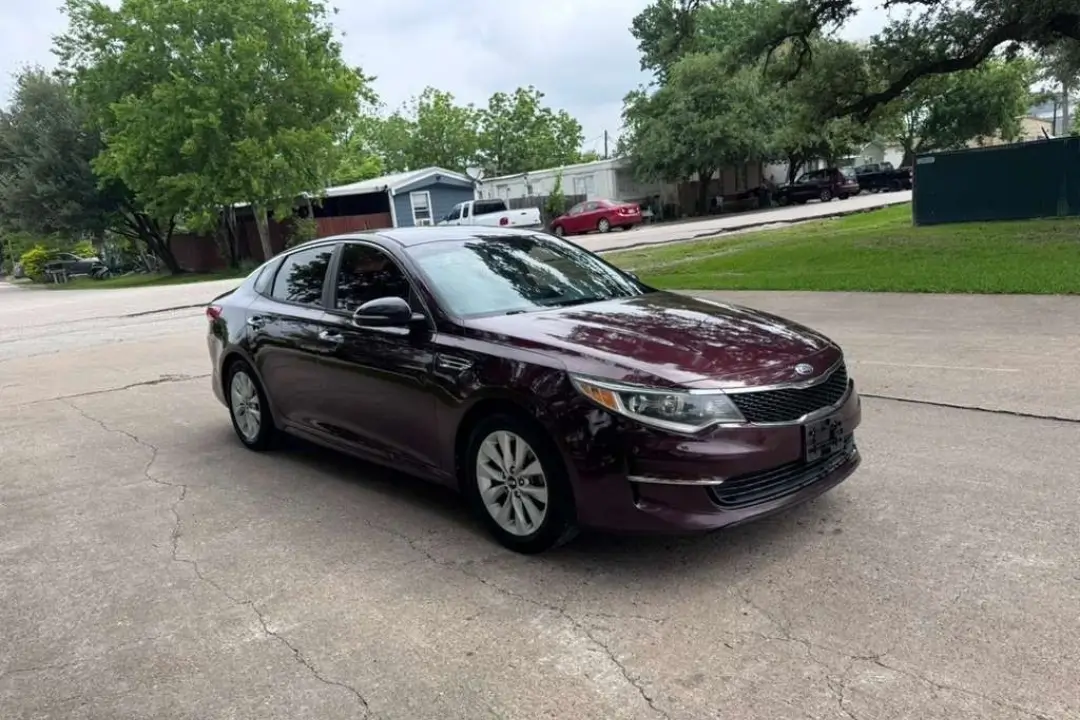
A car that constantly breaks down can become stressful and expensive. One repair turns into another, and before long, you are spending more money than the vehicle is worth. Many owners reach a point where keeping the car no longer makes sense.
The good news is that there are fast and simple ways to move on from a damaged vehicle. Whether you choose to sell, scrap, or junk your car, the right option can help you save time, avoid stress, and even put cash in your pocket quickly.
Signs Your Car Is No Longer Worth Repairing
Sometimes the warning signs are obvious. Other times, people keep spending money, hoping the next repair will finally solve the problem. Here are common signs that your vehicle may no longer be worth fixing:
Frequent Breakdowns
If your car keeps leaving you stranded, reliability becomes a serious issue. Constant repairs can quickly drain your budget and create daily stress. When the same problems keep returning, it may be smarter to sell the vehicle as-is instead of continuing to invest money into an unreliable car.
Repair Costs Keep Increasing
Older vehicles often need expensive repairs such as transmission work, engine replacement, or electrical fixes. Once repair bills start costing thousands of dollars, many owners realize the car is worth less than the money being spent to keep it running.
Safety Problems Are Appearing
A vehicle with brake issues, steering problems, or structural rust can become dangerous to drive. Safety repairs are important, but they are also costly. If the vehicle has major safety concerns along with other mechanical problems, selling it may be the better decision.
The Car Has Very Low Market Value
Some vehicles simply lose too much value over time. If your car is only worth a small amount while repairs continue adding up, keeping it often makes little financial sense. Many people choose cash-for-car services instead because the process is easier and faster.
The Real Cost of Keeping a Broken Car
Owning a damaged vehicle costs more than many people realize. The expenses go beyond just repair bills. Many drivers continue paying these costs because they hope the car will improve. In reality, junking your car early can sometimes save far more money in the long run.
| Expense Type | How It Affects You |
| Constant Repairs | Small repairs slowly turn into major expenses over time |
| Towing Costs | Breakdowns may require repeated towing services |
| Registration & Insurance | You still pay fees even if the car barely runs |
| Lost Time | Frequent garage visits waste valuable time |
| Stress & Inconvenience | Unreliable transportation creates daily frustration |
Should You Repair the Car or Sell It As-Is?
This decision depends on the vehicle’s condition, your budget, and its current value.
A simple way to decide is by comparing repair costs to the vehicle’s market value. If repairs cost more than half of what the car is worth, selling it often becomes the smarter choice. This is especially true for older cars with high mileage.
You should also consider future repairs. A single repair rarely fixes everything in an aging vehicle. One month, it could be the transmission. The next month, it might be suspension problems or electrical issues.
Selling the car as-is can help you avoid sinking more money into a vehicle that may continue failing. Money-for-car companies usually accept damaged, old, wrecked, and even non-running vehicles. This gives owners a fast way out without handling repairs themselves.
Fast Ways to Get Rid of a Car That Needs Repairs
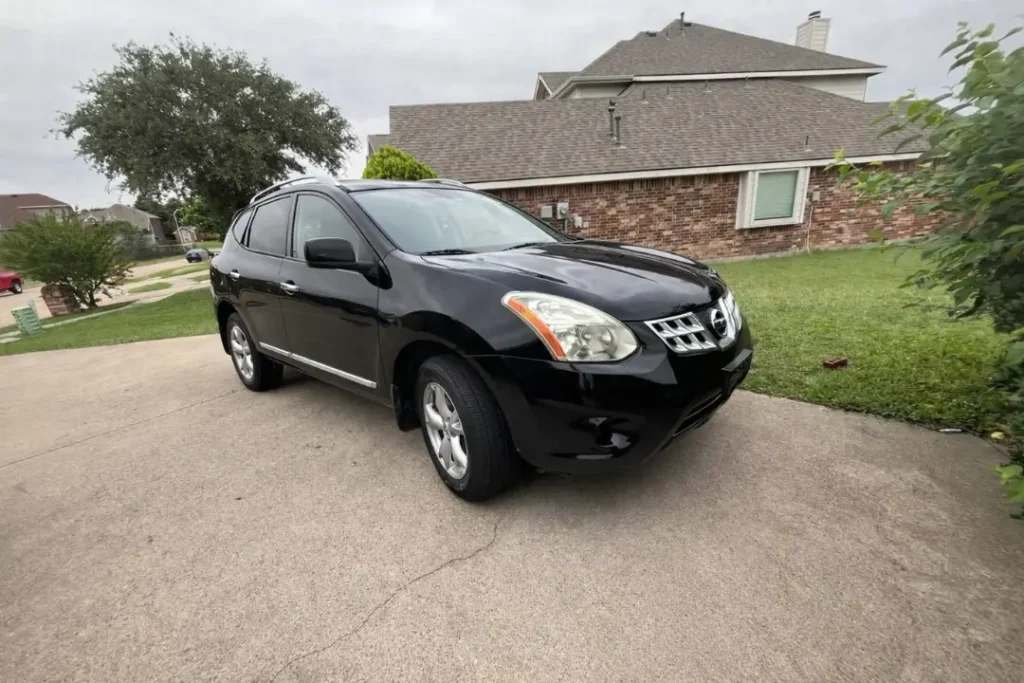
There are several ways to quickly remove a damaged vehicle. Each option works differently depending on the condition of the car. For example:
Sell to a Cash-for-Car Company
These companies specialize in buying vehicles in almost any condition. Many offer free towing, same-day pickup, and instant payment. This is one of the fastest solutions for owners who want to avoid private buyers and repair expenses.
Trade It In at a Dealership
Some dealerships accept damaged vehicles as trade-ins. However, offers are usually lower because the dealer still needs to repair or auction the vehicle. This option mainly works for people planning to buy another car immediately.
Sell the Vehicle Privately
Private sales can sometimes bring higher offers. Still, selling a damaged vehicle yourself often takes time. Buyers may negotiate heavily, request inspections, or disappear after showing interest. This process can become frustrating when the car has serious issues.
Send It to a Scrap Yard
Scrap yards buy vehicles mainly for metal and usable parts. This can work for heavily damaged cars that are beyond repair. However, scrap yards may not always offer the best price compared to dedicated cash buyers.
Why Many Owners Choose Cash for Cars Services
Cash-for-car providers continue growing in popularity because they make the process simple. People dealing with broken vehicles usually want convenience above all else.
By choosing cash-for-car service, you get to experience:
- Quick Pickup Process: Many companies can remove the vehicle within the same day. Owners avoid long waiting periods, endless phone calls, and stressful buyer meetings. This makes the process far easier for people who simply want the vehicle gone quickly.
- No Repair Requirements: Cars with engine problems, accident damage, missing parts, or transmission failure are usually accepted. Sellers do not need to spend extra money fixing the vehicle before selling it, which saves both time and frustration.
- Free Towing Services: Towing can become expensive when a vehicle no longer runs. Most cash-for-car companies include free towing as part of the deal. This helps owners avoid additional out-of-pocket expenses during the selling process.
- Fast Cash Payments: Many sellers receive payment immediately during pickup. This creates a fast and convenient experience, especially for people who need money quickly or want to stop paying insurance and registration costs on a damaged vehicle.
Scrap Yard or Cash Buyer: Which is Better?
Both options can help you remove a damaged vehicle, but they work differently.
| Feature | Scrap Yard | Cash-for-Car Buyer |
| Main Focus | Metal recycling | Vehicle purchasing |
| Vehicle Condition | Often heavily damaged only | Most conditions accepted |
| Towing | Sometimes extra | Usually free |
| Payment Speed | Fast | Very fast |
| Offer Amount | Based on scrap weight | Based on parts and condition |
| Convenience | Moderate | High |
In many situations, cash-for-car deals provide better overall convenience. They may also offer more money because usable vehicle parts still hold value beyond scrap metal prices.
Turn a Non-Running Car Into Quick Cash
A car that no longer starts may feel worthless, but it still has value. Engines, batteries, catalytic converters, tires, and other components can still be useful to buyers and recyclers.
Here are common non-running vehicles that companies often buy:
- Cars with blown engines
- Vehicles with failed transmissions
- Flood-damaged cars
- Cars involved in accidents
- Old vehicles with high mileage
- Rusted or abandoned vehicles
Many owners delay selling because they assume nobody wants a damaged vehicle. Understanding when it’s time to get rid of a junk car can save you from wasting thousands on repairs that never fully solve the problem.
The process is usually simple:
- Request a Quote: Start by contacting a cash-for-cars company online or by phone. You usually provide basic details like the car’s make, model, year, and condition to receive a quick estimate.
- Accept the Offer: Once you receive the quote, you can review and accept the offer if it works for you. Most companies keep the process simple without long negotiations or hidden fees.
- Schedule Pickup: After accepting the offer, the company arranges a pickup time that fits your schedule. Many services also provide free towing, which helps if the vehicle no longer runs.
- Receive Payment: When the vehicle is picked up, payment is usually made immediately after paperwork is completed. Many sellers receive cash or another agreed payment method on the same day.
What Documents Do You Need Before Selling
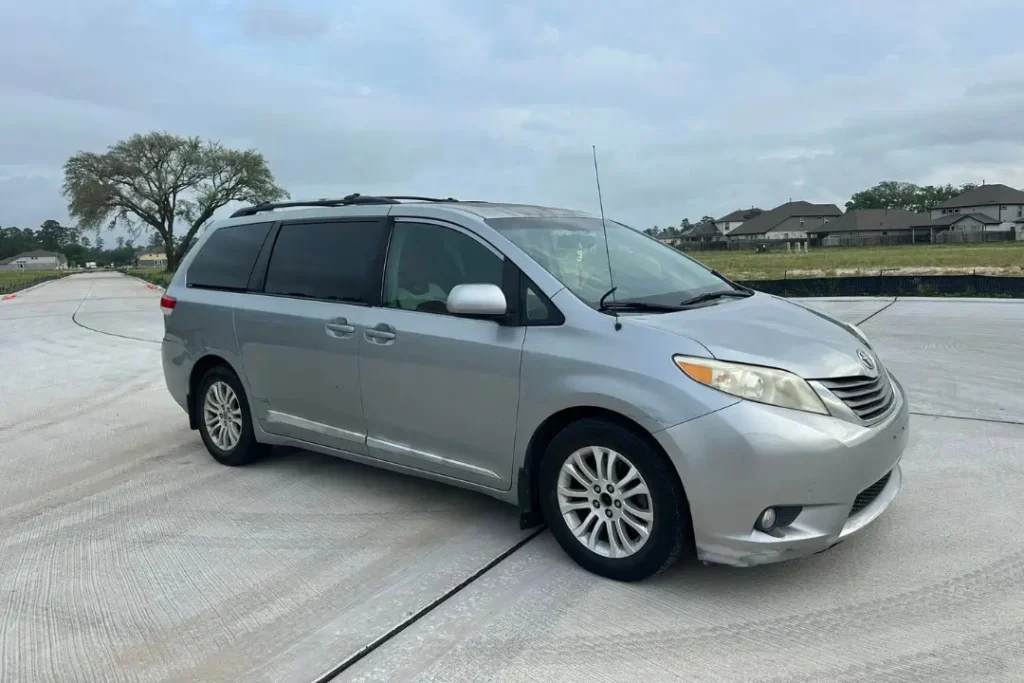
Having the right paperwork helps the selling process move smoothly. Requirements may vary slightly depending on your location and the buyer. Preparing these documents ahead of time speeds up the process significantly. Such as:
Vehicle Title
The title proves ownership of the car. Most buyers require it before completing the purchase. If you lost the title, you may need to request a replacement through your local motor vehicle agency.
Valid Identification
A driver’s license or government-issued ID is usually required to confirm your identity during the transaction.
Registration Information
Current or expired registration documents may help verify ownership details and vehicle information.
Loan Payoff Information
If the vehicle still has an active loan, you may need payoff information from the lender before selling it.
Best Time to Sell a Damaged Vehicle
Waiting too long can lower your vehicle’s value even further. Damaged cars usually continue losing value over time, especially if they remain unused outdoors.
You should consider selling quickly when:
- Repair estimates become very expensive
- The car stops running entirely
- Insurance costs feel unnecessary
- Registration renewal is approaching
- The vehicle fails inspection repeatedly
Seasonal demand can also affect prices slightly. For example, some parts may have higher value during winter or summer months depending on vehicle type. Still, the biggest factor is usually the condition. The longer a damaged vehicle sits unused, the more its value tends to decline.
How to Get the Best Cash Offer for Your Vehicle
You may not fix the car, but there are still ways to maximize your offer. Consider these tips:
Compare Multiple Offers
Do not accept the first quote immediately. Contact several companies and compare prices. Different buyers may value the vehicle differently depending on demand for parts or scrap materials.
Be Honest About the Condition
Accurate details help prevent problems during pickup. Mention major issues like engine failure, missing parts, accident damage, or rust so the quote stays accurate.
Remove Personal Items
People often forget belongings inside damaged vehicles. Double-check the trunk, glove box, under-seat areas, and storage compartments before pickup day.
Gather Important Paperwork
Having your title and identification ready can help the transaction move faster and more smoothly.
Sell Before More Damage Happens
Vehicles sitting unused often develop additional problems. Rust spreads, tires deteriorate, and batteries fail completely. Selling sooner usually helps preserve more value.
Conclusion
Keeping a heavily damaged car often creates more stress, repair bills, and frustration than most people expect. At some point, moving on becomes the smarter financial decision. Whether you choose a scrap yard, a private sale, or a cash-for-cars service, acting quickly can save both time and money.
If you want a fast and hassle-free solution, Cash for Cars and RVs can help turn your unwanted vehicle into quick cash. From damaged cars to old RVs, professional buyers make the process simple with convenient pickup and competitive offers!
Frequently Asked Questions
How do I know if my car is worth repairing?
If repair costs are higher than the vehicle’s value or breakdowns happen constantly, selling the car may be the better option financially.
Can I sell a car that does not start anymore?
Yes. Many cash-for-car companies and scrap buyers purchase non-running vehicles in almost any condition.
Do cash-for-cars companies buy vehicles with engine failure?
Yes. Engine failure is one of the most common reasons people sell damaged vehicles to cash buyers.
Is towing usually included when selling a damaged car?
Most cash-for-car agencies include free towing as part of the service, especially for non-running vehicles.
Will I get paid on the same day?
Many companies offer same-day payment when the vehicle is picked up and the paperwork is completed.