
Introduction
A damaged car can become a headache fast. Repairs may cost more than the vehicle is worth, while keeping a non-running car takes up space and money. But a wrecked car and a junk car are not always the same thing. Knowing the difference can help you decide the best way to sell. A cash-for-cars service can speed up the process, handle pickup, and give you a simple way to move on.
Wrecked vs. Junk Car: The Real Differences
The terms “wrecked” and “junk” are often used together, but they describe different conditions. A wrecked car usually has major damage from a collision, flood, fire, hail, or another event. It may still run, and it can still have valuable parts worth repairing or reusing.
A junk car is usually at the end of its useful life. It may not run at all, or repairing it may cost more than replacing it. Some junk cars are sold mainly for parts and scrap.
| Wrecked Car | Junk Car |
| Often damaged in an accident | Usually old, worn out, or non-running |
| May still drive | Often does not run |
| Can have valuable working parts | Usually valued for parts or scrap |
| May have a salvage title | May have a clean, salvage, or other title |
| Could be repairable | Usually not worth repairing |
A vehicle can also fit both categories. For example, a badly damaged car with a non-running engine may be both wrecked and junk. If your vehicle has a salvage title, check your state’s rules before selling. For example, Arizona requires sellers to disclose that a vehicle has a salvage title.
How Much Cash Can You Get for a Junk Car?
Junk car prices can vary more than people expect. Vehicle weight, local scrap-metal prices, and valuable parts all affect the final offer. A small compact car may bring $150 to $400 in scrap value alone, depending on current rates and location. If the engine, transmission, catalytic converter, or other useful parts are still intact, the vehicle may be worth more than its basic scrap value.
Local cash-for-cars buyers often pay more than traditional scrap yards, since they resell working parts before recycling the rest. Getting quotes from two or three buyers is the easiest way to find out what your car is really worth, and most quotes are free with no obligation to sell.
Important factors when selling a junk car:
- Year, make, and model
- Vehicle weight
- Current scrap prices
- Engine and transmission condition
- Demand for replacement parts
- Catalytic converter and other valuable components
- Overall condition
- Your location
What Is the Value of a Wrecked Car Nowadays?
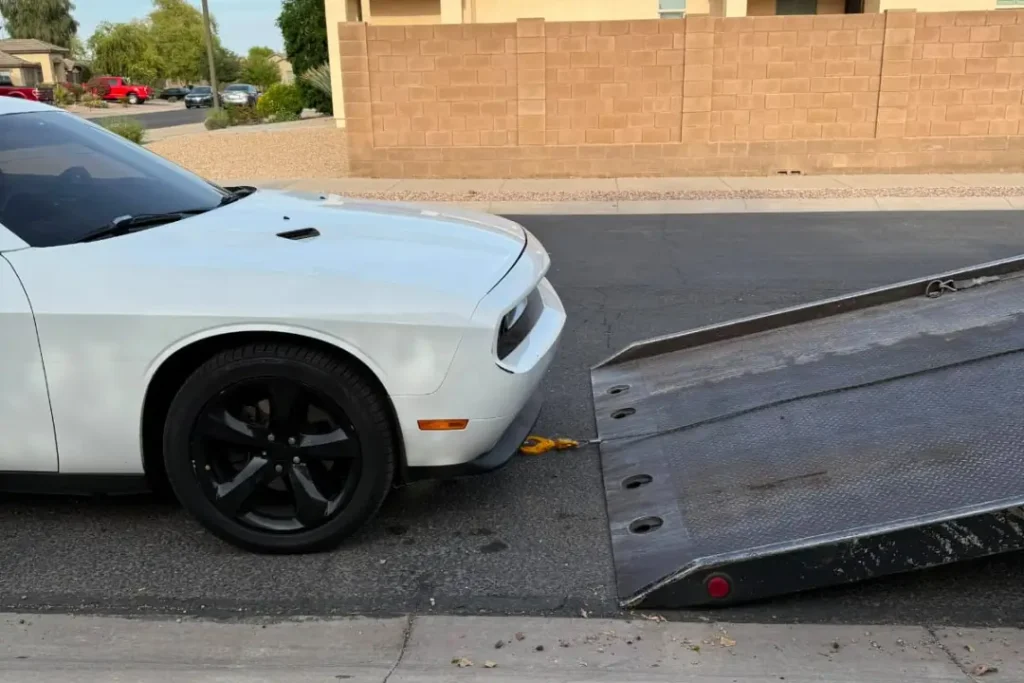
A wrecked car can be worth more than a typical junk car. That is especially true when the damage is limited and important components still work. For example, a damaged vehicle may still have a usable engine, transmission, wheels, electronics, seats, or body panels. A buyer may recover value from these parts.
The title also matters. A car with a clean title may attract more buyers than one with a salvage brand. However, a salvage-titled vehicle can still have value.
The type of damage matters, too. Flood and fire damage can affect many hidden components. The National Highway Traffic Safety Administration warns that flood damage can cause long-term problems and recommends checking vehicle history before buying or selling a damaged vehicle.
Which Car Usually Has More Resale Potential?
Wrecked cars usually come out ahead here. Even after an accident, a car often has more usable parts than one that simply gave out from age. Engines, doors, seats, and electronics can all still hold value. Junk cars, on the other hand, have already given up most of what they had to offer. That’s why wrecked cars often fetch higher prices, even with a salvage title.
How the Vehicle’s Condition Changes Its Price
Condition is one of the biggest factors in any damaged-car sale. Do not hide damage when requesting a quote. A reliable cash-for-cars company should know what it is buying before confirming the final price.
Think about these details before requesting an offer:
- Runs and drives: A running wrecked car may be worth more.
- Engine condition: A working engine can add significant value.
- Transmission: A usable transmission can make the vehicle more attractive to parts buyers.
- Body damage: Minor damage is usually less damaging to value than severe structural damage.
- Missing parts: Missing wheels, catalytic converters, engines, or transmissions can reduce the offer.
- Title status: Clean, salvage, rebuilt, and other title brands can affect buyer interest.
Steps to Sell Your Car for Cash in One Day
Selling a wrecked or junk car doesn’t have to take weeks. Most cash-for-cars sales happen in four simple steps:
- Get a free quote: Call or fill out a short online form with your car’s make, model, year, and condition. Most cash-for-cars services give you a real number within minutes, with no pressure to accept right away. This step alone helps you compare offers before deciding.
- Accept the offer: If the price works for you, confirm the sale over the phone or online. There’s no need to fix anything first, and you don’t need to clean or detail the car before the sale goes through.
- Schedule your pickup: Pick a time that works for you, often same-day in most areas. The buyer arranges free towing, so you don’t pay a cent to have the car hauled away, whether it runs or not.
- Hand over the keys and get paid: Once the tow truck arrives, sign over the paperwork and hand over your keys. Most buyers pay cash or by check on the spot, so you walk away with money the same day you called.
If you are in Arizona, the Arizona Department of Transportation (ADOT)’s vehicle-selling guide explains the steps for selling a vehicle, including title transfer and the Sold Notice. Eligible buyers and sellers can also use AZ MVD Now to complete an electronic title transfer without visiting an MVD office.
If your title is missing, do not assume you can simply hand over the keys. Requirements vary by state and vehicle. You may need a replacement title or other ownership documents. Not sure how to sell a car without a title? Check with your state’s motor vehicle agency first.
The Way Cash for Cars Handles Both Types
A good cash-for-cars service doesn’t treat every car the same way. Wrecked cars get evaluated for usable parts and resale potential. Junk cars are weighed and priced primarily based on scrap value.
Don’t have your title on hand? Services like Cash for Cars North Tempe handle a variety of cases every day, so you don’t need to figure out which category your car falls into before you call. They’ll inspect it, quote it, and take it off your hands.
How Towing Fits Into the Selling Process
Towing can be one of the biggest problems when selling a wrecked or junk car. A vehicle with major damage may not be safe to drive. A junk car may not start at all. Paying a separate towing company can also reduce the money you receive from the sale.
Many cash-for-cars services include vehicle removal as part of the transaction. The buyer arranges pickup after you accept the offer. Before the tow truck arrives, remove personal belongings from the vehicle. Check the glove box, trunk, center console, door pockets, and under the seats.
Also, remove license plates if your state requires it. Arizona, for example, tells sellers to remove the plate before the buyer takes possession.
What Happens to Wrecked and Junk Cars After Selling?
When you sell your old car, it doesn’t just sit in a junkyard forever. Buyers inspect wrecked vehicles for salvageable parts, resell what still works, and scrap the rest. Vehicles that are beyond repair may be processed for scrap and recycling.
Junk cars often follow a similar path. Reusable parts may be recovered first. Remaining materials can then be recycled. This is one reason cash-for-cars services can buy vehicles that private buyers would avoid. The vehicle does not have to be road-ready to have value.
Choosing Between the Two: A Simple Decision Guide
Still not sure which situation fits your car? Use this quick guide:
If your car still runs or has a repairable frame:
It likely counts as wrecked, not junk. You may still get a solid offer based on working parts, even with a salvage title attached. It’s worth getting a quote before assuming the car is worthless.
If your car hasn’t run in months and repairs cost more than it’s worth:
It’s junk. At that point, chasing repairs rarely makes financial sense. Selling for scrap value through a cash-for-cars buyer is usually the faster, simpler choice.
If you’re unsure either way:
Call a cash-for-cars buyer and let them decide. They inspect the car, check its condition, and give you a fair number, whether it’s wrecked, junk, or somewhere in between the two.
Conclusion
Selling a wrecked or junk car does not need to become another stressful project. The right option depends on the vehicle’s damage, parts, title, age, and repair cost. If fixing it no longer makes financial sense, a cash-for-cars service can save time and remove the hassle of private selling. Get a clear offer, confirm the paperwork, and arrange pickup.
Ready to clear out that unwanted vehicle? Contact Cash for Cars and RVs and turn it into cash.
Frequently Asked Questions
What’s the real difference between a wrecked car and a junk car?
A wrecked car was damaged, usually in an accident. A junk car is one that no longer runs or isn’t worth fixing. Some cars qualify as a combination of both.
Can I sell my car if it doesn’t run at all?
Absolutely. Cash-for-cars buyers take non-running cars every day. You don’t need to fix anything first.
How fast will I actually get paid?
Most reputable buyers pay on the same day, often right when they pick up the car.
Is the towing really free?
Yes, with most cash-for-cars services. That’s part of what makes them faster than private sales.
Will a wrecked car get me more money than a junk car?
Usually, yes. Wrecked cars often still have working parts. But every car is priced based on its own condition.
What if my car was damaged by fire or flood?
You can still sell it. Buyers factor in the damage and give you an offer based on what’s left.
Is it possible to sell a car that still has a loan on it?
Sometimes, yes. It depends on the payoff amount and your lender. A good buyer will help you figure this out.