

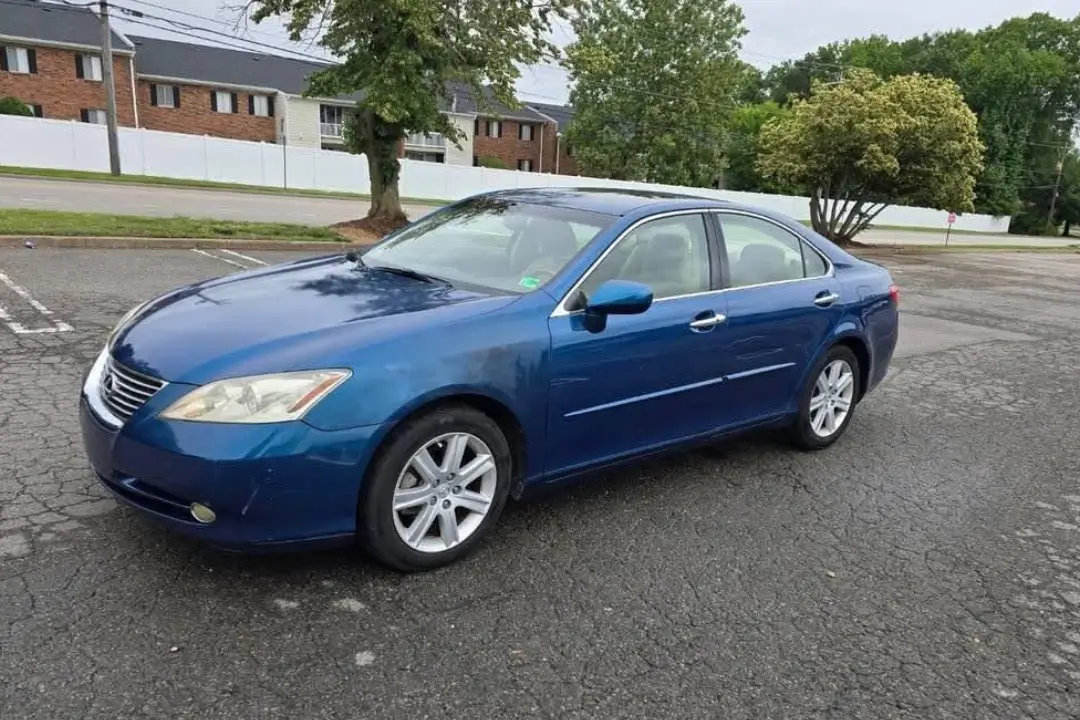
Cosmetic damage on a car refers to visible surface issues that affect how a vehicle looks, but not how it drives or performs. These are usually minor problems, such as scratches, dents, or paint marks, that occur over time or from minor incidents.
Even if the car still runs perfectly, cosmetic damage can affect how buyers perceive its overall condition. In the used-car market, appearance plays a big role in pricing, so even minor exterior flaws can affect resale value.
What does Cosmetic Damage mean?
Cosmetic damage refers to surface-level issues on a vehicle that only affect its appearance. These are visual flaws that don’t usually interfere with how the car drives or performs.
It’s important to separate cosmetic damage from mechanical problems. Cosmetic issues involve the car’s exterior, while mechanical damage affects engine performance, safety, or internal systems. So even if a car looks a bit rough, it can still run perfectly fine.
This matters because buyers pay attention to appearance when deciding value.
A car with visible scratches or dents may seem less well cared for. This can lower buyer confidence and reduce resale price, even if the vehicle is mechanically sound.
Common Types of Cosmetic Damage
Usual cosmetic damages we have seen in cars include:
1. Scratches and Paint Scuffs
Scratches and paint scuffs are one of the most common forms of cosmetic damage. They usually happen from everyday situations like brushing against bushes, light contact in parking areas, or minor scrapes from other vehicles.
These marks can be very light and barely visible, or deep enough to expose the layer beneath the paint. While they don’t affect how the car runs, they can make the vehicle look older and less well-maintained, which can impact buyer interest.
2. Dents from Minor Impacts or Parking Accidents
Dents usually form when a car is hit at low speed or squeezed into tight parking spaces. Door dings, small bumps from other vehicles, or light impacts can leave noticeable indentations on the body panels.
Even though dents don’t affect performance, they stand out visually. Buyers often associate dents with careless use. This can reduce confidence in the car’s overall condition.
3. Bumper Scratches and Minor Cracks
Bumpers are designed to absorb light impacts, so they are often the first to show cosmetic damage. Scratches, scuff marks, and small cracks commonly appear after parking contact or minor collisions.
While these issues are usually not structural, they can still affect resale value because the bumper is highly visible and easy for buyers to notice during inspection.
4. Clear Coat Fading or Sun Damage
Over time, exposure to sunlight and harsh weather can cause the car’s clear coat to fade. This leads to dull paint, uneven shine, or discoloration in certain areas of the vehicle.
This type of damage develops slowly and is common in older cars. Even if the car is well-maintained mechanically, faded paint can make it appear neglected, lowering its visual appeal.
5. Small Panel Misalignment After Minor Impact
Sometimes, after a minor accident or repair, body panels may not align perfectly. This can result in uneven gaps between doors, bumpers, or fenders.
Although it usually doesn’t affect driving safety, panel misalignment is often noticed by buyers during inspection. It can raise concerns about previous repairs and reduce confidence in the vehicle’s history.
Causes of Cosmetic Damage on Cars
Cosmetic damage doesn’t usually result from a single major event. It builds up over time through small accidents, daily use, and environmental exposure. Most of these issues are unavoidable, especially if the car is regularly driven or parked in busy areas.
1. Minor Accidents and Parking Incidents
Small accidents are among the most common causes of cosmetic damage. These usually happen at low speeds and don’t affect the car’s performance, but they leave visible marks on the exterior.
Typical situations include:
- Low-speed collisions in traffic or parking lots
- Scrapes and door dings from tight parking spaces
- Fender bumps or light bumper taps.
Even minor contact can leave scratches, dents, or scuffed paint, slowly affecting how the car looks and how buyers perceive its condition.
2. Environmental and Daily Wear
Over time, the environment also plays a big role in cosmetic damage. Even a well-driven, carefully parked car will show signs of wear from weather and road exposure.
Common causes include:
- Long-term sun exposure leads to paint fading and dullness
- Small stones and debris are hitting the paint while driving
- Rain, dust, and weather changes are affecting the exterior finish.
These factors accumulate gradually, making the car look older even if it is mechanically sound.
Impact on Car Value of Cosmetic Damage
Cosmetic damage may seem minor, but it can still significantly impact your car’s value. In the used-car market, as in:
1. Effect on Resale Value
Cosmetic damage usually lowers a car’s resale value because buyers expect a cleaner, well-maintained vehicle. Even if the car runs perfectly, visible scratches, dents, or faded paint can make it harder to sell at a higher price.
In many cases, buyers start negotiating down the price as soon as they notice exterior damage. This is especially true in private sales, where appearance strongly affects first impressions.
When comparing selling options, the impact can vary:
- Private buyers often reduce offers due to visible damage, just like accident damage
- Dealers may adjust trade-in value after inspection
- Cash offers are usually based more on overall condition than appearance alone
2. Vehicle History and Buyer Perception
Cosmetic damage doesn’t always show up on vehicle history reports, but it still affects how buyers feel about the car once they see it.
Reports like CARFAX are more focused on accidents, repairs, and insurance claims, but any listed incident can still raise concerns. Even without official records, visible damage can lead to trust issues during a sale.
Buyers may wonder if there are hidden problems or whether the car has been properly cared for. This can slow down the selling process and reduce overall interest in the vehicle.
Sell or Repair a Cosmetic Damaged Car?
In most cases, the decision depends on repair cost versus value gain. If the damage is minor and cheap to fix, repairing it can help you sell the car for a higher price. But if repairs are expensive or the car is already older, selling it as-is is usually the smarter option.
So, repair the car if:
- Damage is small, like scratches, dents, or paint scuffs.
- The repair cost is low compared to resale value increase.
- You want a better price in a private sale.
- The car is relatively new or in good overall condition.
And it’s best to sell than repair if:
- The repair cost is too high for cosmetic improvements.
- The car has high mileage or is older.
- You need a quick and easy sale.
- You are considering cash-for-car or instant buyer services.
Best Ways to Sell a Car with Cosmetic Damage
If you decide to sell your car, then you can use those methods:
1. Private Sale Strategy
In a private sale, being honest about cosmetic damage helps build trust with buyers. Scratches, dents, or paint issues should be clearly explained rather than hidden, as buyers will see them during inspection.
A fair, condition-based asking price is important, and clean, well-lit photos can make the car more appealing even with visible flaws. It also helps to highlight strong points, such as good maintenance history and solid mechanical condition, to balance out the cosmetic issues.
2. Trade-In and Dealer Offers
When trading in a car, dealerships carefully inspect the vehicle and reduce their offer based on visible cosmetic damage. They estimate the cost to repair the car before reselling it, and that cost is deducted from the final offer.
This process is fast and convenient, but the payout is usually lower than when selling privately because dealers factor in reconditioning expenses.
3. Cash for Cars Options
Cash for cars services are often the simplest way to sell a car with cosmetic damage. These buyers focus more on the car’s overall condition, mileage, and resale potential rather than how it looks on the outside.
You don’t need to invest in repairs or detailing, and the process is usually quick, and payment is fast. This option is especially useful when you want a hassle-free sale without spending extra money on fixing appearance issues.
How to Reduce Cosmetic Damage Impact?
Decide to sell? Ok then, follow those steps:
Step 1: Fix small damage quickly
Fix scratches, small dents, and paint chips as soon as you see them. Small damage is cheap to repair. But if you wait too long, it can look worse and reduce your car’s value more. Quick fixes also help your car look clean when buyers see it.
Step 2: Keep your car clean
Wash your car regularly so dirt and dust don’t build up. A clean car always looks better, even with small marks. Waxing also helps protect the paint and keeps the car looking shiny.
Step 3: Do simple repairs
You don’t always need expensive repairs. Small fixes like touch-up paint or dent removal can improve the car’s appearance. Even small improvements can help you get a better price when selling.
Step 4: Keep service records
Save all repair and maintenance records. When buyers see proof that the car was well-maintained, they trust it more. This helps balance out cosmetic damage.
Step 5: Protect the car going forward
Try to prevent new damage by parking carefully and avoiding tight spaces. You can also use a car cover or paint protection. This helps keep the car in better condition for longer.
Conclusion
Cosmetic damage may seem minor, but it can still affect how buyers see your car and what they are willing to pay for it. Even when the vehicle runs perfectly, visible scratches, dents, or faded paint can reduce its resale value.
The impact depends on the extent of the damage and how you choose to sell the car. Small repairs can sometimes increase the price, but in other cases, selling the car as-is is the more practical option.
Frequently Asked Questions
Is cosmetic damage considered an accident?
Cosmetic damage is not always considered a full accident. It usually refers to minor exterior issues, such as scratches, dents, or paint marks, that don’t affect how the car drives. However, if the damage comes from a reported collision, it may still appear as an accident on vehicle history reports.
Does cosmetic damage affect car insurance value?
Cosmetic damage generally does not affect your insurance coverage or policy value. However, if you file a claim to repair it, it can affect your claim history and future premiums depending on your insurance provider and situation.
Can I sell a car with cosmetic damage?
Yes, you can sell a car with cosmetic damage without any issues. Many buyers, including private buyers, dealers, and cash-for-car services, are willing to purchase vehicles with scratches, dents, or faded paint.
Should I fix cosmetic damage before selling?
It depends on the cost of repair. If fixing the damage is cheap and can increase your selling price, it’s worth repairing. But if repair costs are high, selling the car as-is is often the better option.
How much value does cosmetic damage reduce?
The value reduction depends on the severity and visibility of the damage. Minor scratches may have a minor impact, while visible dents or multiple exterior issues can significantly reduce resale value, as buyers prefer cleaner-looking vehicles.