

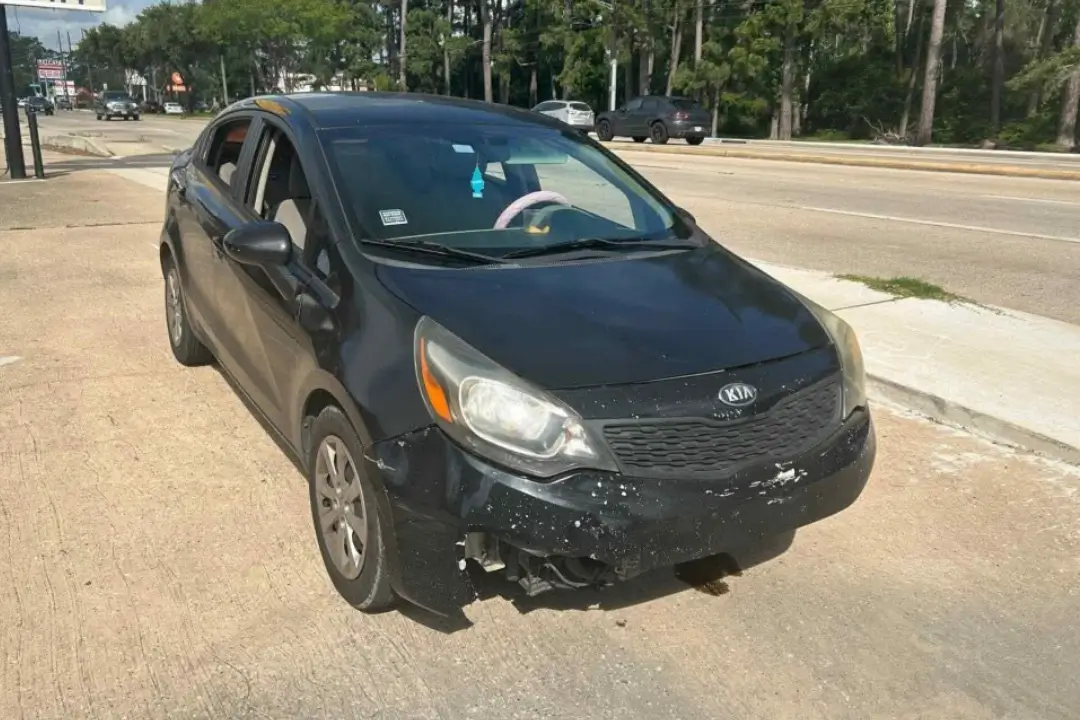
A car accident can affect more than just your vehicle’s condition. It can also reduce its resale value. Even if the damage is fully repaired, many buyers are willing to pay less for a car with an accident history.
This drop in value is known as diminished value. It refers to the difference between what your car was worth before the accident and what it’s worth after repairs are completed.
In most cases, an accident can reduce a vehicle’s market value by 0% to 30%. But of course, the value decrease also depends on your car’s damage.
So, how can you get the most value out of a damaged car? Let’s give you some tips and tricks.
Average Car Value Loss After an Accident
There is no correct way to measure car value loss. It depends on your car accident as in:
1. Minor Accident Value Loss
Minor accidents usually involve cosmetic damage, such as scratches, dents, paintwork damage, or minor bumper repairs. Since these issues typically don’t affect the vehicle’s structure or safety, their impact on resale value is often limited.
Most cars lose around 5% to 10% of their value after a minor accident.
However, the actual loss depends on factors such as the vehicle’s age, repair quality, and whether the accident appears on a vehicle history report.
2. Moderate Accident Value Loss
Moderate accidents often involve multiple body repairs, replacement parts, and some mechanical damage. While the vehicle may be fully repaired, buyers tend to be more cautious because the repairs were more extensive.
In many cases, a vehicle can lose between 10% and 20% of its market value after a moderate accident.
The loss may be even greater if the repairs involved important mechanical components or resulted in a large insurance claim.
3. Major Accident Value Loss
Major accidents typically cause structural damage, frame damage, or significant safety concerns. These accidents have the biggest impact on resale value because buyers worry about long-term reliability and hidden issues.
Vehicles involved in major collisions can lose 20% to 40% or more of their value.
If the damage is severe enough to result in a salvage title or total loss designation, the reduction can be even greater.
Either way, your car’s value will decrease after an accident. If you plan to sell it, it’s best to get a diminished appraisal or do a cash-for-car deal.
What Is Diminished Value Appraisal?
A diminished value appraisal is a professional assessment of the value a vehicle has lost after an accident, even after all repairs have been completed.
The purpose of the appraisal is to determine the difference between the car’s pre-accident value and its current market value, given its accident history.
This appraisal is commonly used when filing a diminished value claim with an insurance company. It provides evidence that the vehicle is worth less than it was before the collision. It helps support a claim for financial compensation.
During the appraisal process, an expert evaluates several factors, including:
- The vehicle’s age and mileage
- The severity of the accident damage
- Structural or frame damage
- Quality of repairs performed
- Accident history reports
- Current market conditions
- Comparable vehicle sales.
The final appraisal report typically includes an estimated diminished value amount, along with documentation supporting the calculation.
This report can be valuable when negotiating with insurance companies, selling the vehicle, or understanding the true financial impact of an accident.
Types of Diminished Value
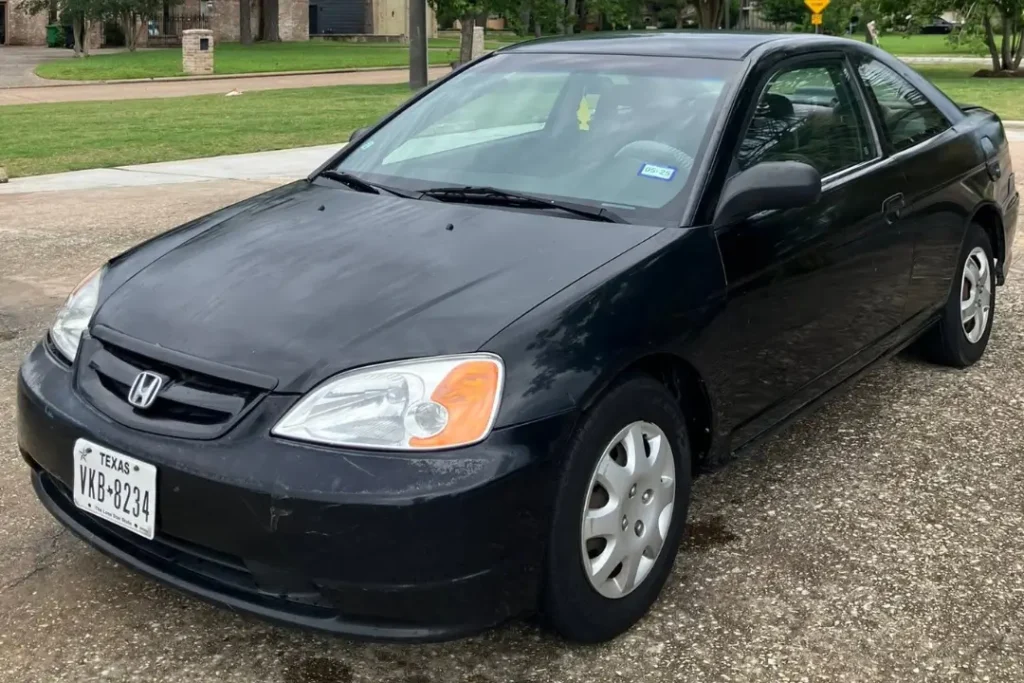
Not all accident-related value loss is the same. Insurance companies and appraisers generally recognize three different types of diminished value. Here are a few common categories we have seen so far:
1. Inherent Diminished Value
Inherent diminished value refers to the reduction in market value that remains even after a vehicle has been fully repaired. Many buyers are hesitant to purchase a car with an accident history, regardless of how well it was fixed.
Since accident records often appear on vehicle history reports, the car is considered less desirable than a similar vehicle that has never been in a collision. This perceived risk reduces the vehicle’s market value.
2. Immediate Diminished Value
Immediate diminished value measures the difference between a vehicle’s value immediately before an accident and its value after the accident.
This type of diminished value is usually the largest because the vehicle is still damaged and may be unsafe or undrivable.
While it is important for understanding the immediate financial impact of an accident, it is less commonly used in insurance claims since most vehicles are repaired before being sold.
3. Repair-Related Diminished Value
Repair-related diminished value occurs when repairs fail to restore the vehicle to its original condition. Poor workmanship, mismatched paint, non-OEM parts, or visible repair defects can all reduce a vehicle’s value.
Buyers often notice these issues during inspections, which can lead to lower offers or difficulty selling the vehicle. Even if the accident itself wasn’t severe, low-quality repairs can have a lasting impact on resale value.
When Is It Better to Sell the Car Instead of Repairing It After an Accident?
Selling the car is better if the repair cost is close to or higher than the car’s current value, selling is usually the smarter move. This is especially true when insurance payouts are low or when the vehicle may still lose a large portion of its value even after being fixed.
You should also think about how much the car will be worth after repairs. Even a perfectly repaired car can still lose value due to its accident history. That makes recovery difficult.
So, sell the car if:
- Repair costs exceed 50% to 70% of the car’s market value.
- The car has structural or frame damage.
- The vehicle already had high mileage before the accident.
- Insurance payout is not enough to cover quality repairs.
- The car will still have a strong diminished value after repair.
- Multiple accident history already affects resale value.
How to sell a Car After an Accident?
Here is how you can sell your damaged car:
Method 1: Private Sale Strategies
Selling privately usually gives you the highest chance of getting a better price, but it also requires more effort and transparency. Buyers will almost always ask about the accident history, so being honest is important to avoid losing trust later.
In this approach, success depends on how well you present the car. Clear communication about repairs and conditions can make a big difference, like:
- Disclosing accident history honestly
- Highlighting quality repairs and maintenance work
- Setting realistic pricing based on market value after the accident
- Using clean photos and detailed descriptions to build trust.
Method 2: Dealer Trade-In Options
Trading the car in at a dealership is a faster and more convenient option, especially if you plan to buy another vehicle. However, dealers typically offer lower prices because they factor in repair risk and resale uncertainty.
The trade-in value after an accident is usually based on wholesale pricing rather than retail value. Dealers will inspect the car, check its history report, and adjust their offer based on damage severity and market demand.
Method 3: Cash for Cars Services
Cash for cars services are often the most practical option for accident-damaged vehicles. These companies focus less on cosmetic condition and more on salvage value, parts, and resale potential.
This method is especially useful when repair costs are too high or when you want to avoid long selling processes. Benefits include:
- Fast selling process with instant offers
- No need for repairs or detailing
- Accepts damaged, non-running, or accident vehicles
- Simplified paperwork and quick payment.
Method 4: Online Car Buying Services
Online car buying platforms offer a middle-ground option between private sales and cash buyers. You enter your car details, receive an offer, and complete the sale through a structured process.
These services are designed for convenience, but they still evaluate the condition carefully before finalizing pricing. You get:
- Quick digital valuation and sale process
- Clear condition requirements for accurate offers
- Pickup or drop-off options
- Less negotiation compared to private buyers.
Method 5: Selling a Salvage or Rebuilt Title Vehicle
If the car is declared a total loss or has a salvage/rebuilt title, selling becomes more limited. Buyers are usually more cautious, and prices are significantly lower due to perceived risk and insurance limitations.
However, there is still a market for these vehicles, especially among rebuilders and budget buyers. They are:
- More difficult to attract private buyers
- Lower resale value due to title branding
- Requires full disclosure of damage history
- Best suited for salvage yards or specialized buyers.
Ways to Minimize Value Loss After an Accident
If you wanna maximize your damaged car value, then do this:
1. Keeping Complete Repair Records
Maintaining detailed repair documentation can make a big difference when selling your car later. Buyers feel more confident when they can see exactly what was repaired, which parts were replaced, and where the work was done.
A strong repair record helps prove that the vehicle was properly restored rather than poorly fixed, which can reduce concerns about hidden damage.
2. Using High-Quality Parts
The type of parts used during repairs directly affects resale value. Vehicles repaired with OEM (original equipment manufacturer) parts are generally more trusted than those repaired with low-quality aftermarket parts.
High-quality parts help restore performance, safety, and appearance closer to the original condition, which can reduce buyer hesitation.
3. Choosing Reputable Repair Shops
Where the car is repaired matters just as much as how it is repaired. Certified or well-known repair shops are more likely to follow proper standards, which improves long-term value retention.
Buyers often check repair quality when reviewing accident history, so professional workmanship can help protect resale value.
4. Addressing Damage Immediately
Delaying repairs after an accident can worsen the vehicle’s condition. Even minor issues can turn into bigger problems over time, affecting both safety and resale value.
Quick repairs help maintain the car’s integrity and prevent additional depreciation. So, do this:
- Fix damage as soon as possible after the accident
- Prevent rust, alignment issues, or mechanical deterioration
- Avoid driving with unresolved structural problems
- Reduce long-term repair complexity
Conclusion
A car will almost always lose some value after an accident, even if it’s repaired properly. The main reason is simple, buyers see accident history as risk, and that directly affects what they are willing to pay.
So, the best way to get great value is to sell to Cash for car and RVS. We will give you the market’s best value.
Frequently Asked Questions
Can I claim diminished value after an accident?
In many cases, yes. If another driver was at fault, you may be able to file a diminished value claim with their insurance company. This helps recover the difference between your car’s pre-accident and post-repair value.
Is a repaired car worth less than a car that was never in an accident?
Yes, even after full repairs, an accident history usually lowers a car’s value. Buyers often prefer accident-free vehicles because they see them as less risky and more reliable in the long run.
How do buyers find out about accident history?
Buyers usually check vehicle history reports using services like CARFAX or VIN-based tools. These reports show accident records, insurance claims, and reported damage.
Should I trade in or privately sell a car after an accident?
It depends on your priority. A private sale may bring a higher price, but it takes more time and effort. A trade-in is faster and more convenient, while cash for car services are often best for heavily damaged vehicles.
Does frame damage permanently reduce a car’s value?
Yes, frame or structural damage has a long-term impact on value. Even after repairs, buyers tend to discount the vehicle because structural integrity is considered critical for safety and performance.
Can repair records increase resale value after an accident?
Yes, detailed repair and maintenance records can help reduce buyer hesitation. They show that the car was properly repaired and maintained, which builds trust and can improve resale offers.