
If you want to sell your car for cash in Arizona, a cash-for-car company is one of the most convenient options. You can also sell to a dealership, an online car buyer, a private buyer, or a junkyard.
Cash-for-car companies often buy used, damaged, junk, and non-running vehicles, making them a practical choice when you want to avoid costly repairs and lengthy negotiations.
Read this blog post to find the best places to sell your car for cash in Arizona.
The Best Places to Sell Your Car for Cash
If you are looking for who buys cars for cash in Arizona, you have multiple options that you may not have heard of yet. See the top options below.
1. Sell to a Cash-for-Car Company
A cash-for-car company in Arizona, like CashForCarsAndRVs, specializes in purchasing vehicles directly from owners, including used, damaged, and unwanted cars.
The process typically starts with an online form or phone call where you provide details such as the make, model, year, mileage, and condition. They give you an estimate, inspects the vehicle if necessary, and finalizes the offer before arranging payment and collection.
Your car’s age, mileage, mechanical condition, accident history, and resale or salvage value can influence the final price.
The process is generally fast and straightforward, with some companies offering same-day collection with free towing and payment. It can also reduce the stress of advertising and negotiating with multiple buyers.
For safety, we recommend to choose a reputable company, confirm the final price in writing, and verify payment before handing over the keys.
- Pros: Convenient process, quick payment, and potential collection for non-running vehicles.
- Cons: Finding a reputable cash for car company may take time.
2. Sell to a Car Dealership
Selling your car to a dealership can be a convenient option if your vehicle is in reasonable condition and has resale potential. Contact local dealerships to request an appraisal, provide your vehicle’s details, and arrange an inspection.
The dealer evaluates the car and makes an offer based on its expected resale value, reconditioning costs, and current demand. If you accept, you complete the paperwork and receive payment according to the dealership’s process.
Factors affecting the price include the car’s make, model, age, mileage, service history, condition, and local market demand. Dealerships may also consider how easily they can resell the vehicle and the profit margin they need.
This method is also faster, although appraisal and payment times vary. It is relatively low-stress because the dealership handles much of the transaction.
To stay safe, verify the dealer’s reputation, review the purchase agreement, and confirm that payment has cleared before transferring ownership.
- Pros: Straightforward transaction, less negotiation, and assistance with paperwork.
- Cons: Offers may be lower than private-sale prices, and some dealerships accept only certain vehicles.
3. Sell to an Online Car Buyer
Online car buyers let you begin the selling process from home. You enter your vehicle’s registration details, mileage, condition, and other relevant information through the buyer’s website.
Depending on the service, you may receive an instant estimate or need to submit photographs and additional details. The buyer may then inspect the car in person before confirming the offer and arranging payment and collection.
The price typically depends on the vehicle’s market value, mileage, condition, service history, accident record, and demand for similar models.
This option can be convenient because it reduces the need for in-person negotiations. However, processing times vary, and some buyers require additional checks.
Safety depends on choosing a legitimate service, protecting your personal information, and confirming payment terms before releasing the vehicle.
- Pros: Convenient online valuation, less direct negotiation, and potentially quick collection.
- Cons: Final offers may be lower than expected, and estimates can change after inspection.
4. Sell Privately to Another Person
Selling your car privately means finding an individual buyer through online marketplaces, classified advertisements, social media, or personal contacts.
You create an advertisement with accurate vehicle details, photographs, mileage, condition, and asking price. Interested buyers may contact you, inspect the car, arrange a test drive, and negotiate the final amount.
Once you agree on the price, both parties complete the required paperwork and payment arrangements.
Private-sale prices depend on market demand, the vehicle’s condition, mileage, maintenance records, accident history, and how competitively you price it. A well-maintained car with complete documentation may attract stronger offers.
This method can take longer than selling to a company or dealer because you must handle enquiries, inspections, and negotiations yourself. It can also be more stressful, particularly when buyers cancel or make unrealistic offers.
For safety, meet in a public location when practical, accompany test drives, verify payment independently, and complete the ownership transfer correctly.
- Pros: Potentially higher selling price and greater control over negotiations.
- Cons: More time and effort, uncertain selling timelines, and increased exposure to scams or unreliable buyers.
5. Sell to a Junkyard or Scrap Yard
A junkyard or scrap yard may be a suitable place to sell a vehicle that is severely damaged, no longer roadworthy, or too expensive to repair. You contact a yard, provide the car’s details, and explain its condition.
The buyer estimates its value, which may depend on usable parts, metal weight, and salvage demand. After agreeing on the offer, you arrange delivery or towing and complete the necessary paperwork.
The car’s weight, recoverable parts, metal prices, damage, and demand for specific components can affect how much you receive. A vehicle with valuable reusable parts may be worth more than one sold solely for scrap metal.
This option can be quick, but prices are generally lower than those for roadworthy vehicles. To reduce stress and stay safe, compare multiple quotes, confirm towing charges, check the yard’s legitimacy, and verify payment before releasing the car.
- Pros: Practical for heavily damaged vehicles, possible towing assistance, and a relatively simple sale.
- Cons: Lower offers, possible collection fees, and limited value if the vehicle has few reusable parts.
Can you sell a junk, damaged, or non-running car for cash?
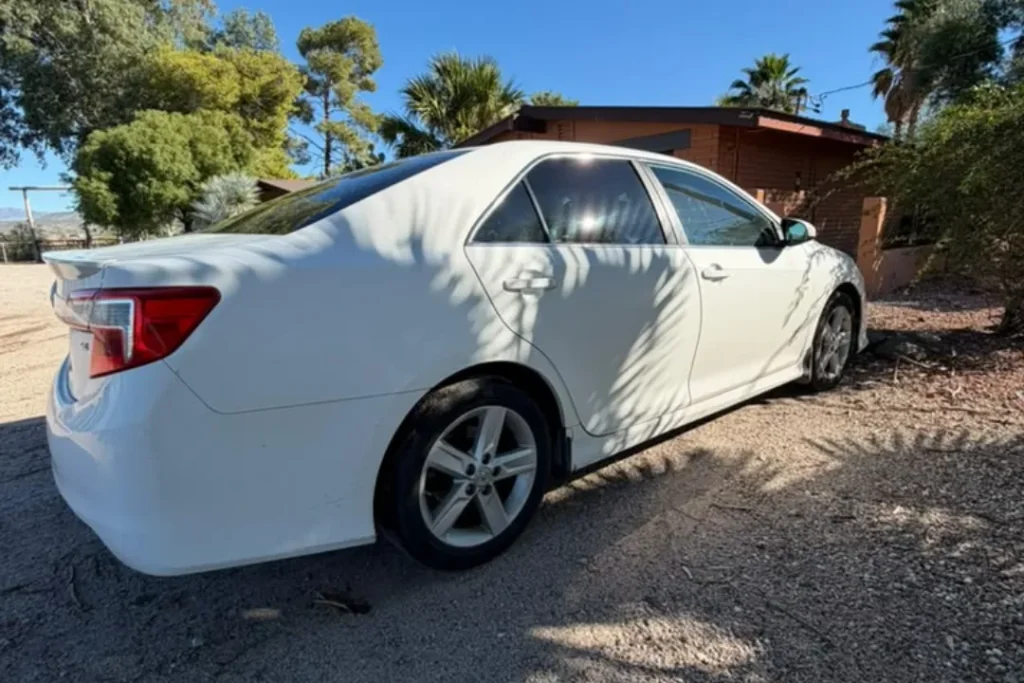
You can sell a junk, damaged, or non-running car for cash. Many cash-for-car companies like us buy vehicles in various conditions, so you may not need to repair your car before selling it.
As a cash-for-car buyer, we accept a wide range of vehicles, including:
- Junk cars
- Damaged cars
- Non-running cars
- Accident-damaged vehicles
- Flood-damaged cars
- Scrap cars
- Old and unwanted cars
- Cars with engine problems
- Cars with transmission problems
- Cars with mechanical issues
- High-mileage vehicles
- Wrecked vehicles
- Salvage vehicles
- End-of-life vehicles
- Cars that fail emissions tests
- Cars with cosmetic damage
- Cars with missing or damaged parts
- Abandoned vehicles, etc.
What documents do you need to sell your car in Arizona?
To sell your car, prepare the required ownership documents and complete the title transfer correctly. The exact paperwork depends on your vehicle’s status, whether a lien exists, and how you arrange the sale.
Required Documents to Sell a Car in Arizona:
- Vehicle title
- Valid identification
- Lien release (if applicable)
- Odometer disclosure
- Bill of sale
Note: A separate bill of sale is not always required when transferring ownership with a properly signed Arizona title. Arizona also offers a Title Transfer Bill of Sale (Form 38-1306) as an alternative for eligible Arizona-titled vehicles.
Odometer disclosure is generally required for vehicles from model year 2011 onward for 20 years; vehicles from model year 2010 or earlier are exempt under the current federal disclosure rules.
How to Get the Most Cash for Your Car
Since you already know who buys used cars for cash, the second concern is getting a fair price. With a few simple steps like the ones mentioned below, you can attract better offers, avoid unnecessary costs, and negotiate a fair price:
- Research your car’s market value before accepting any offers.
- Compare quotes from multiple cash-for-car companies and dealerships.
- Clean your car thoroughly to improve its overall presentation.
- Gather maintenance records to demonstrate consistent care and servicing.
- Fix minor, affordable issues that could reduce buyer confidence.
- Take clear photos if selling through online platforms or privately.
- Be honest about damage, mileage, and mechanical problems.
- Remove personal belongings and documents before handing over your vehicle.
- Negotiate confidently instead of accepting the first offer immediately.
- Confirm payment terms and avoid buyers requesting suspicious transactions.
- Check towing fees and other charges before agreeing to sell.
- Complete the title transfer and required paperwork correctly.
Final Thought
An aging sedan with transmission trouble, an SUV damaged in an accident, or a vehicle sitting unused in your driveway may still have value. The key is knowing where to sell it, what buyers consider when making an offer, and if repairs will actually increase your return.
CashForCarsAndRVs understands that every unwanted vehicle has a different story. If you’re clearing space in your driveway, getting rid of a costly repair project, or parting with an RV you no longer use, we’re here to help you explore your options. Contact us to discuss your vehicle and take the next step toward turning it into cash.