

Introduction
Selling a car without a current registration can feel tricky at first. Maybe the tags expired, or the paperwork got lost in a move. The good news is that you still have options. In Arizona and most other states, a title matters more than registration when it comes to a sale.
This guide explains the documents you need and the rules to check. It also shows how a cash-for-cars service can take the hassle out of selling one.
Can You Sell a Car Without Current Registration?
Yes, you can often sell a car without current registration. Registration mainly shows that the vehicle is legally registered for road use. It does not serve the same purpose as the title, which establishes ownership.
In Arizona, the Arizona Department of Transportation (ADOT) says sellers should transfer the title and submit a Sold Notice after selling a vehicle. The buyer then handles the new title and registration.
So you don’t need to renew registration just to sell. You do still need a valid title. A car with an expired registration is different from one with no title or unclear ownership.
Common Reasons Cars End Up Unregistered
There are plenty of normal reasons a car sits unregistered. Here are the most common ones:
- Moved to a new state: You may have moved and never got around to transferring the registration. This can leave the car registered in your old state.
- Missed the renewal: Life gets busy, and registration deadlines can easily slip by. You may not notice until you need to sell the car.
- Car sat unused: A car that stays in a garage or driveway for months may not seem worth registering. Many owners let the registration expire while it sits.
- Inherited the vehicle: Inherited cars often come with paperwork that needs to be sorted out. The registration may expire before you finish the ownership transfer.
- Failed an inspection: Some vehicles fail emissions or safety inspections because of needed repairs. Owners may delay registration until the problems are fixed.
- Unpaid tickets or fines: Outstanding tickets, fees, or other issues can sometimes prevent registration renewal. The owner may need to clear them before renewing.
- Planning to junk the car: If the car is old, damaged, or no longer running, renewing the registration may seem like a waste of money. Selling it for cash can make more sense.
Documents You Need Before You Sell
Your paperwork depends on the vehicle and your state. In Arizona, the title is especially important because it is the ownership document.
Before contacting buyers, gather:
| Document | Why It Matters |
| Vehicle title | Establishes ownership and allows the ownership transfer |
| Registration record | Helps identify the vehicle and its registration history |
| Driver’s license or ID | May be needed to complete the transaction |
| Lien release | Shows that a previous loan has been satisfied |
| Bill of sale | Can document the transaction when applicable |
| Odometer information | Required for applicable vehicle transfers |
Check Your State’s Rules on Unregistered Vehicle Sales
Vehicle laws vary by state. Before selling, check your state’s official motor vehicle agency website. For Arizona sellers, the official guidelines say the seller should transfer ownership and submit a Sold Notice. The Sold Notice must be filed within 10 days of the sale. Arizona also requires the buyer to apply for a new title within 15 days of purchase.
Arizona’s rules also make an important distinction between selling and driving an unregistered vehicle. An unregistered car should not simply be driven around for personal use. Arizona offers specific temporary permits for limited situations, including getting an unregistered vehicle to inspection, emissions testing, repairs, or title and registration services.
How to Prove You Own the Car
The easiest way to prove ownership is with a valid title in your name. In Arizona, the title is the official ownership document. When you sell an Arizona-titled vehicle, the properly signed title can be used to transfer ownership to the buyer. Arizona also provides a Title Transfer Bill of Sale for eligible Arizona-titled vehicles.
If there is a lien, you may need documentation showing that the loan has been paid or that the lien has been released. It’s smart to resolve any lien before you sell, since Arizona won’t finalize a clean title transfer until the loan is paid off or the lienholder signs off.
If your registration is gone for some reason, here’s a short demonstration of what still counts as proof of ownership:
| Document | What It Proves |
| Vehicle Title | You are the legal owner |
| Bill of Sale (from your own purchase) | You bought the car legally |
| Notarized Affidavit of Ownership | A sworn statement backing your claim |
| Lien Release | The loan is paid and the title is clear |
What to Do If Your Registration Is Lost
Losing your registration does not necessarily prevent you from selling your car. First, check your state’s motor vehicle agency for replacement registration options. In Arizona, many vehicle services can be completed through AZ MVD Now, including various title and registration services.
More importantly, check whether you still have proof of ownership. If you have the title, you may already have the main document needed for the sale. If you have an electronic title, Arizona allows qualifying vehicle owners to manage title information through AZ MVD Now. A paper title can also be requested when needed.
If you are selling to a cash-for-cars company, tell them about the missing registration before accepting an offer.
Selling a Car With Expired Registration
Expired tags don’t stop a sale either. Here’s how to handle it smartly in a few simple steps:
- Confirm you still have the title in your name.
- Skip renewing the registration if you’re not planning to drive the car again.
- Let the buyer know upfront that the registration is expired.
- Complete a bill of sale so the sale date is officially on record.
- File a release-of-liability or Sold Notice with your state right after the sale closes.
Selling a Car With No Registration and No Title?
Yes, there is still hope. Selling a car with neither registration nor title is quite complicated. Start by requesting a duplicate title from your state’s DMV. Most states process this in a few weeks, and some offer a rush option for a little extra. If you can’t wait that long, gather any proof you have on hand: old registration copies, insurance records, purchase receipts, or a notarized statement from the previous owner.
Some cash-for-cars buyers accept these alternatives on a case-by-case basis, especially for older cars or vehicles headed for salvage. Just know that without a title, your buyer pool shrinks fast. Private buyers usually walk away the moment paperwork gets complicated, and dealerships won’t touch a car without clear ownership proof at all.
A cash-for-cars service is often the fastest, least stressful route when your paperwork is this thin, since they’re used to sorting out these situations every week.
How Much Can You Get for a Car With No Registration?
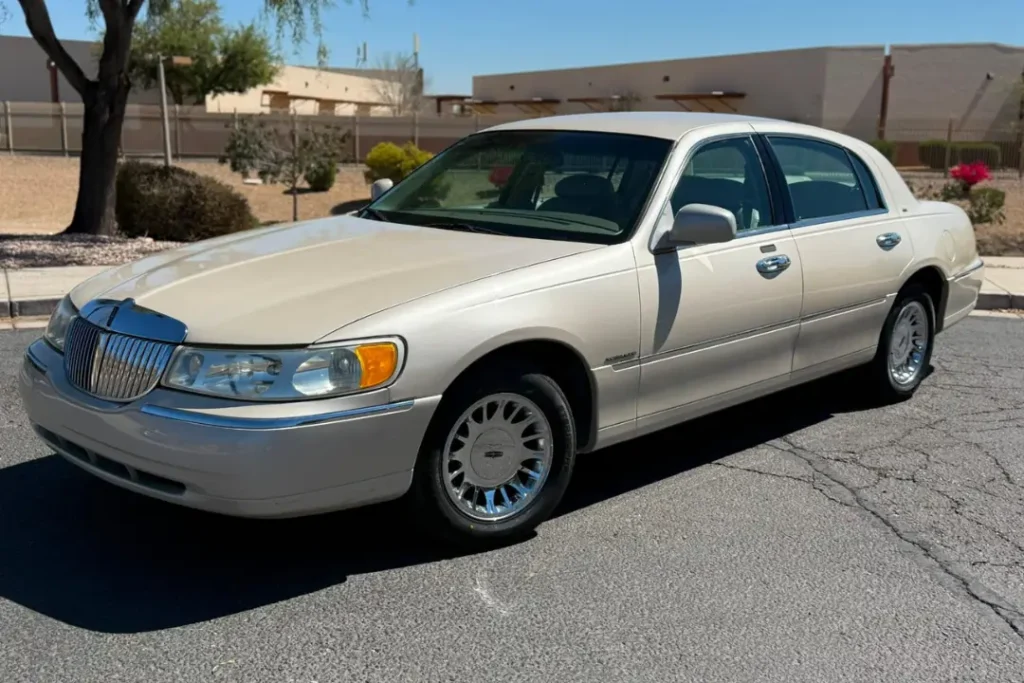
Lack of registration alone does not determine a car’s value. Buyers also look at the vehicle’s condition, age, make, model, mileage, demand, and potential resale or salvage value.
Make and Model
The make and model can affect how much buyers are willing to pay. Popular vehicles often have stronger demand for used parts and resale. Less common models may attract fewer buyers, which can lower the offer.
Overall Condition
A car in decent condition can usually bring more money than one with major problems. Buyers check the body, interior, engine, tires, and other parts before making an offer. Good condition can also make resale easier. Minor cosmetic damage on a car rarely changes the offer much.
Mechanical Problems
Engine, transmission, electrical, or brake problems can reduce a car’s value. Buyers factor repair costs into their offers. If fixing the vehicle would cost more than its expected resale value, they may offer much less.
Accident Damage
Accident damage can have a major effect on the price. A car with serious structural or mechanical damage may be worth more as a salvage vehicle. Minor damage may have less impact, especially if the car still runs well.
Mileage
Mileage gives buyers an idea of how much use the vehicle has had. Lower mileage can help support a higher offer, while very high mileage may reduce it. Still, maintenance history and overall condition also matter.
Missing Paperwork
Missing registration may not be a major problem, but missing ownership documents can make the sale harder. Buyers need confidence that you legally own the vehicle. Clear paperwork can help the transaction move faster.
Scrap or Parts Value
An older or badly damaged car may still have useful parts. Engines, transmissions, catalytic converters, wheels, and other components can have value. If repairs are not practical, a junk or cash-for-cars buyer may base the offer on these parts.
How Selling Unregistered Cars Is Made Easier with Cash for Cars
Private buyers get nervous the moment registration comes up. A cash-for-cars service doesn’t. These buyers deal with unregistered, expired, and title-less vehicles every day. They know the paperwork, they know the state rules, and they’re built to move fast. This can be especially useful for cars that are old, damaged, unwanted, or sitting in a driveway.
If you’re in Arizona, searching for cash for cars Mesa, AZ connects you with a local team that already knows the MVD process inside and out. Instead of explaining your situation over and over to strangers online, you make one call and get a straight answer.
The process may look like this:
- Share your vehicle details.
- Describe the condition and paperwork.
- Receive a cash offer.
- Agree on the sale.
- Schedule pickup or towing.
- Complete the required ownership paperwork.
- Receive payment in accordance with the buyer’s stated process.
Conclusion
Missing registration doesn’t have to keep your car parked. With the right title, ID, and a bit of paperwork, you can still close a sale quickly and legally. If you’d rather skip the DMV runs and paperwork chase altogether, a fast, trusted buyer makes it simple. Reach out to Cash for Cars and RVs for a free quote today, and turn that unregistered car sitting in your driveway into cash without the stress or the wait.
Frequently Asked Questions
Can I sell my car if I lost the registration?
Yes. A title or bill of sale can often stand in for a lost registration. Rules vary by state, so it’s worth a quick check first.
Do I need to be registered to sell a car for scrap?
Usually not. Most junk car and cash-for-cars buyers only ask for proof of ownership, such as a title.
What if I don’t have the title either?
Yes, you may still be able to sell. Some cash-for-cars services accept alternative proof of ownership on a case-by-case basis.
Will a cash-for-cars service buy a car with no registration?
Absolutely. Most are set up to handle missing paperwork and still give you a fair cash offer.
How fast can I get paid for an unregistered car?
Many cash-for-cars companies offer same-day pickup and payment once the sale is confirmed.
Can I sell a car with expired registration?
Definitely. Expired registration doesn’t mean you can’t sell. It just means you may need extra documents to prove ownership.
Do cash-for-cars companies handle the paperwork for me?
Yes, most do. They walk you through what’s needed and handle the transfer process.