

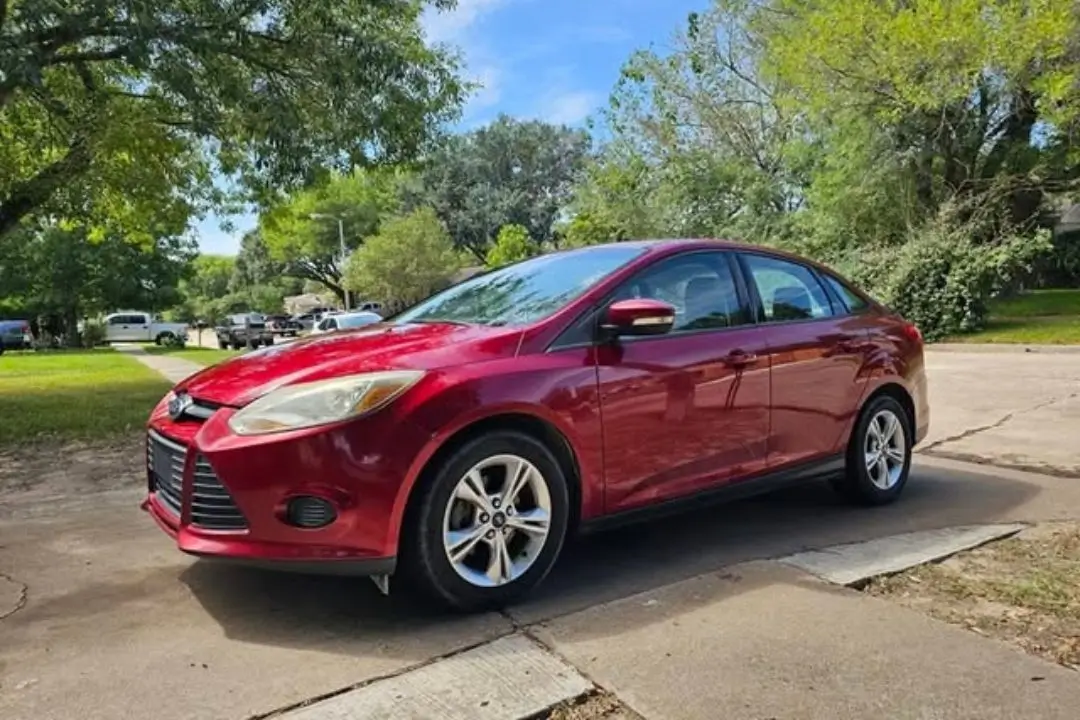
Selling a car does not always go as planned. Many people list their vehicle online, wait for days, respond to messages, and still struggle to find a serious buyer. Even after all that effort, the final price often feels disappointing.
This is one of the main reasons why more sellers are now turning to car auctions. Instead of chasing buyers, you place your car in front of multiple interested people at once. That shift alone changes how the process works.
If you are wondering how to sell a car at auction, the good news is that it is not as complicated as it may seem at first. With the right preparation and a clear understanding of the process, it can actually feel much more straightforward than traditional selling.
Types of Car Auctions You Can Choose From
Before you begin, it helps to understand that not all auctions are the same. Choosing the right type can make a noticeable difference in how your car performs.
Public Auctions
Public auctions are open to everyone. This includes private buyers and dealers. Because of this wider audience, there is usually more competition, which can sometimes lead to a better price.
Dealer-Only Auctions
These auctions are limited to licensed dealers. They tend to move faster, but prices may stay closer to wholesale value. If your goal is a quick and predictable sale, this can be a suitable option.
Online Car Auctions
Online auctions have become very common in recent years. They allow buyers from different locations to participate, which increases visibility. In many cases, this wider reach brings more attention to your listing.
Salvage Car Auctions
Salvage auctions are designed for damaged or non-working vehicles. Buyers here are usually interested in repairs or parts. If your car is not in perfect condition, this option can still work.
How to Prepare Your Car for Auction
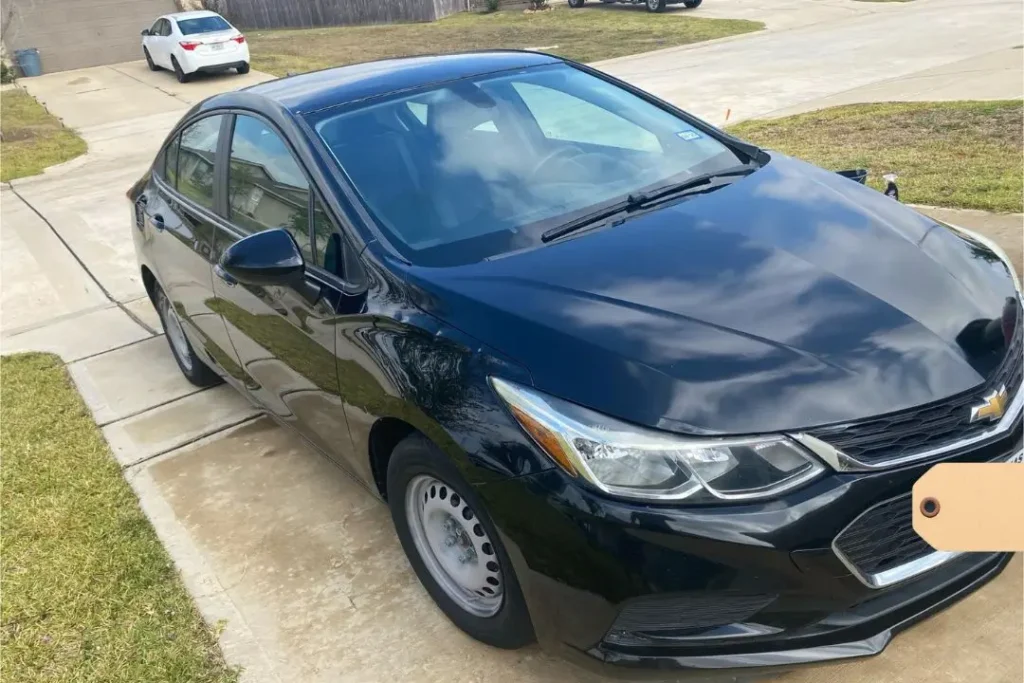
Preparation is one of those things people sometimes underestimate. But in auctions, first impressions still matter more than you might expect.
Start with a proper cleaning. Wash the exterior, clean the interior, and remove personal items. A neat appearance makes your car look more reliable, even before buyers check the details.
You can also handle small issues. Fixing a light or checking fluid levels takes little effort, but it shows that the car has been maintained.
If you are listing online, photos play a big role. Try to take clear pictures in natural light and include different angles. Buyers often rely on these images to decide whether to bid.
What Documents to Gather Before the Auction
Before you list your car at auction, it helps to have all the necessary documents ready. Missing paperwork can slow down the process or even prevent a successful sale.
Here are the key documents you should prepare:
• Vehicle title (proof of ownership)
• Bill of sale or sale agreement
• Valid photo ID
• Vehicle registration documents
• Service and maintenance records (if available)
• Loan payoff details (if the car is financed)
• Emissions or inspection certificate (if required in your area)
Having these documents ready makes the process smoother and builds trust with potential buyers. It also helps avoid last-minute issues when closing the deal.
How to Sell a Car at Auction?
Selling a car at auction works best when you follow a clear process instead of rushing through it.
Choose the Right Auction Platform
Start by selecting a platform that matches your car type and selling goal. Some platforms attract more private buyers, while others focus on dealers. A platform with active users usually gives better results.
Get Your Car Valued and Inspected
Before listing, check your car’s market value. Look at similar cars or recent auction results. It also makes it easier to avoid setting expectations that are either too high or too low.
Prepare Your Vehicle for Sale
Make sure your car looks presentable, and your details are accurate. A well-prepared listing tends to attract more attention.
Decide on a Minimum Selling Price
Set a reserve price that protects your minimum expectation. If it is too high, buyers may not engage. If it is too low, you may not get the value you want.
Complete and Submit Required Paperwork
Fill in all details honestly. Include mileage, condition, and any known issues. Transparency often builds trust and encourages serious bids.
Participate in the Auction Event
Once your listing is live, buyers will begin placing bids. Sometimes the activity feels slow at first, then suddenly increases near the end. This is quite normal.
Close the Deal and Receive Payment
When the auction ends, the highest bidder wins if your reserve is met. After that, you complete the paperwork and confirm payment through the platform.
Problems People Face When Selling at Auction
Even though auctions offer advantages, they are not completely risk-free. Some common issues can affect your results if you are not prepared.
• Low bids when demand is limited
• Hidden fees from certain platforms
• Delayed payments in some cases
• Uncertainty about the final price
• Limited control once bidding starts
These problems are real, but they are often avoidable with better planning.
How Auctions Solve These Selling Problems
What makes auctions different is how they handle these challenges.
For example, low offers are common in private sales because you deal with one buyer at a time. In auctions, multiple buyers compete, which naturally improves your chances of getting a better price.
Delays are another issue in traditional selling. Buyers may hesitate or disappear. Auctions, on the other hand, follow a fixed timeline. Because of that, the process tends to move forward without unnecessary delays.
Even negotiation stress is reduced. Instead of going back and forth with different buyers, the bidding process handles price adjustments automatically.
So while auctions are not perfect, they do address many of the problems people face in regular selling situations.
How Long It Takes to Get Paid After an Auction?
One reason people consider auctions is speed. In most cases, online auctions run for about five to ten days. Once the auction ends, payment is usually processed within a few business days. Final paperwork may take a little longer, depending on the platform.
Compared to private selling, this timeline feels more structured and predictable.
A Faster Alternative: Selling to a Cash for Cars Company
If you don’t want to deal with the waiting game and uncertainty of auctions, selling to a cash-for-cars company is a much faster and more predictable option. Most of them can complete the process in 24 to 48 hours, a huge time-saver compared to auctions.
Here’s where it really stands out:
- Faster turnaround: You can often get a quote in under 10 minutes and schedule pickup the same day.
- No selling fees: Unlike auctions that charge 5% to 15%, cash buyers usually don’t take commissions.
- Guaranteed sale: There’s no risk that your car won’t meet the reserve price or go unsold.
Another big advantage is how pricing works. Auction results can fluctuate a lot depending on demand, timing, and bidder competition. It’s common to see price differences of 10% to 30% for similar vehicles.
With cash-for-cars companies, offers are based on clear factors like condition, mileage, and current market value, so the outcome is more stable.
You’ll also save a lot of effort in the process:
- No need to take professional photos or write detailed listings
- No inspections or back-and-forth with buyers
- Free towing is often included
But it’s not perfect. The trade-off for speed and convenience is usually a slightly lower payout.
- Expect offers to be around 10% to 25% lower than top auction prices
- Best suited for quick sales, older vehicles, or cars in less-than-perfect condition
Overall, if your priority is getting paid quickly without the hassle, a cash for cars north Scottsdale company offers a simple solution.
Why Selling Your Car for Cash May Be the Better Option
Here is why we think cash for cars is the best option for Florida people:
Immediate Payment
One of the biggest advantages is how quickly you get paid. Instead of waiting days or weeks for an auction to end and funds to process, cash buyers often pay within 24 hours, and sometimes even on the same day. This is especially useful if you need money urgently or want to close the deal fast.
No Fees
There are typically 5% to 15% in commission fees, in auction listing fees, and sometimes transport costs. Cash-for-cars companies usually eliminate these extra expenses. The offer you receive is often the final amount, which makes it easier to understand exactly what you’ll walk away with.
No Waiting
Auctions depend on timing, bidder interest, and market demand. You might have to relist your car if it doesn’t meet the reserve price. With a cash sale, there’s no waiting period—once you accept the offer, the process moves forward immediately.
Free Pickup
Most cash buyers include free vehicle pickup as part of the service. This is a big plus if your car isn’t running or you simply don’t want the hassle of arranging transport. It also saves additional costs that you might otherwise pay when selling through other methods.
Hassle-Free Process
Selling at auction requires effort, taking photos, writing descriptions, managing listings, and sometimes handling inspections. Cash sales simplify everything. You usually just provide basic details about the car, confirm ownership, and the company handles the rest.
Overall, while you might get slightly less than the highest possible auction price (often around 10% to 25% lower), the trade-off is speed, simplicity, and a guaranteed sale. For many sellers, that convenience is worth it.
Final Thoughts
At the end of the day, the best way to sell your car depends on what matters most to you. If you’re aiming for the absolute highest price and don’t mind waiting, auctions can work. But if you value speed, simplicity, and a guaranteed outcome, selling for cash is often the smarter move.
That’s where a trusted cash-for-cars service really stands out.
You can skip the stress and get straight to the result. Instead of dealing with listings, bidding, and uncertainty, you get a smooth, straightforward experience from start to finish.
If you’re ready to sell without the hassle, then contact Cash for Cars now.
Frequently Asked Questions
Is selling a car at auction a good idea?
Yes, especially if you want a structured and faster selling process.
Do cars always sell for a higher price at auction?
Not always. The final price depends on demand, condition, and buyer interest.
Can I set a minimum price?
Yes, most auctions allow you to set a reserve price.
How long does the process take?
Usually between one to two weeks, including payment and paperwork.
Is it safe to sell through online auctions?
Yes, as long as you use a reliable platform and follow proper steps.